Up-to 40 Free Pills When you pay with Bitcoin
Up-to 40 Free Pills When you pay with Bitcoin

A range of licensed medications is available for pain management, depending on the condition and clinical need. Dozens of medicines are on offer.





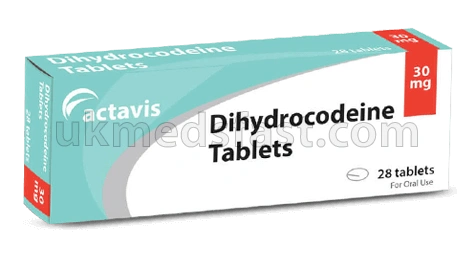


Each one has been confirmed by clinical trials to be safe, effective, and, in the case of generics, completely equivalent to branded counterparts.
There are many types of pain, and it's important to know the nature of your condition in order to choose the right treatment. They offer a range of painkiller medicines, backed by scientific validation, that cater to diverse needs.
Different painkillers, mainly opioids and some prescription-only medicine, carry risks of dependence, misuse, and withdrawal symptoms. Usually, these medications are only recommended when other therapies are ineffective and necessitate careful medical supervision.
These services are designed for individuals who already know what kind of painkiller they require. Only after a legitimate consultation and prescription from a qualified healthcare provider may one obtain any prescription painkillers. Depending on clinical needs, a variety of therapy methods may be provided.
Pain can feel very different depending on its cause and requires different clinical approaches. Acute pain, the type that comes from injury, surgery, or an aching tooth, is best treated with fast-acting medicine capable of bringing relief swiftly. Chronic conditions, where the pain lasts a long time or becomes recurring, need a more sustainable approach.
Some of these medicines, such as opioids, are typically prescribed and are generally prescribed for short-term use due to risks such as dependence, tolerance, and side effects. They are capable of dealing with even the most severe pain quickly but will usually be prescribed for a short time.
Chronic pain treatment is different. This is pain that lasts for 3 months or more and is caused by long-running conditions. Those can be damage to nerves, ailments affecting the bone structure and joints, or sore muscles. Arthritis, fibromyalgia, neuropathy and lower back aches are chronic and painful ailments that are widespread in the UK.
These medicines can affect the central nervous system and may cause dependence or withdrawal symptoms in some patients, particularly with long-term use. They come in immediate and extended-release formulations, which makes pain easy to manage.
Carisoprodol has potential for misuse and dependence and is typically prescribed only for short durations under medical supervision. This pill relaxes the muscles and can be used to manage a persistent ache, like in the lower back or neck, which many people who lead a sedentary lifestyle are likely to develop.
Painkillers on offer at e-shops belong to different classes, from anticonvulsants to opioids. For every single treatment, the starting dosage should be set by a medical professional, based on the user's condition, other medicines they are taking, and their medical history.
Otherwise, different rules apply to dosing different types of painkillers and there is no single set of guidelines that can cover them all. When determining the dosage, a GP will use general guidelines provided by regulators and confirmed by clinical trials.
Those guidelines vary greatly for different types of treatments and it is advisable to know them. For generalised dosage guidelines on specific medicines, please refer to the appropriate product pages on the website, or sources like the NHS.
A general rule for anyone using prescription painkiller treatments is to stay within the prescribed dosage and never exceed it. Users should also avoid changing the dosage on their own and only do so under their doctor's supervision, gradually.
It is also a good idea to have a treatment plan. This should cover all doses for the duration of the treatment and have clear goals set for the therapy, stating what results the user wants to achieve, and within what timeframe.
Another thing that can be advised to all painkiller users is to take some measures to complement the pills. There are programmes for cognitive behavioural therapy that help people cope with pain better. Non-pharmaceutical options like support groups work well for many chronic pain patients.
Acupuncture or massage therapy might help in some cases of musculoskeletal and even nerve pain. Another good way to complement any pain treatment is to look after yourself. Eating healthy, drinking enough water, and getting the exercise your condition allows (even if it is just a walk) can support therapy with this class of medicine.
Getting enough sleep is also important, especially if the pain is caused by an injury and the body needs more time to recover on average. All of these lifestyle changes have the potential to make the medicine you are taking more effective and help avoid adverse events.
Most painkiller medicines on offered at digital pharmacies are fast-acting. For a better understanding of the timing, dosage and usage instructions, take a look at the individual product pages. Codeine phosphate, Co-Codamol, dihydrocodeine and other treatments they stock mostly offer quick relief within 15 minutes to an hour.
Absorption rate can vary from patient to patient based on their genetics, whether the medicine was taken with food and many other things. One very important thing to remember is to never double-dose with any of these treatments. If a medicine does not seem to be having an effect, do not consume another dose outside of the schedule.
Online pharmacies work great for people who already know what type of treatment they need, but it is important to know about the precautions to be taken with each of them. Their dosage timings and activation times are available on the dedicated product pages for the listed painkiller medicines.
Many prescription pain relief treatments come with contraindications. Those might be medicines that they interact with if taken at the same time, or unrelated conditions that might be affected by them. There are some common contraindications for the treatments on offer at online platforms.
Combining pain relief treatments with any other medicine that might cause dizziness or drowsiness is inadvisable. Many of them, especially opioids, have sedative effects themselves, and the degree of sedation when the medicines are combined might be too much.
Some antidepressants and anti-anxiety medicines overlap with painkiller treatments in terms of how they work in the body. Many of them act on the brain and central nervous system, and the combined effects are hard to predict. Awareness of the dos and don'ts for each painkiller makes patients more responsible. It is recommended to carefully study the product page of the treatment you are using or planning to use.
Painkiller medicines of different types have different half-lives. Usually, the longer a medicine's half-life, the longer its duration of effect. The prolonged half-life of opioids, for instance, means that they usually need to be taken less often. With drugs like gabapentin and pregabalin, they are taken more frequently because the time they remain in the system is shorter.
The duration of action varies depending on the medication and formulation. Most of them can be detected in blood or urine for 24 hours or more after use. Those that are used for a long time and accumulate in the body may take longer to be excreted. Finally, a lot depends on individual factors, like metabolism, whether the treatment is taken with food and how well the user observes contraindications.
The use of a painkiller medicine can potentially result in negative effects to a certain extent. The possibility of dizziness, sleepiness or swelling is common with many painkillers. Others, like co-codamol and codeine phosphate, cause nausea and somnolence.
In clinical trials, some patients may experience mild side effects, which are usually temporary. Normally they should dissipate as the user gets used to the medicine, and a proper diet with adequate fibre and water intake can work wonders in getting rid of them.
Reactions to painkiller pills are individual, and serious side effects are also possible. They are rare, as experts always make sure benefits outweigh risks with painkiller medicine, but they do exist. Allergic reactions and respiratory problems are the two severe reactions to watch out for. They should be addressed with a medical professional right away.
The question of safety always attracts experts' attention with painkiller treatments. Remember that all the drugs on offer at online pharmacies are subjected to clinical trials before they are approved for sale. Before they are approved, all medications go through multiple stages of clinical testing. Generics' equivalency to branded counterparts is established in a separate set of trials.
There are also many purely academic studies that confirm the safety profiles of different relief medicines. However, as stated, different painkiller treatments have different contraindications and side effects. Some of these require greater caution than others. Detailed information regarding the safety of specific medications can be found on the various product pages available on the website.
It is encouraged for all customers to tell them about their experiences in the review section. Their teams will appreciate receiving feedback about your journey back to full health. Whether you rate them or hate them, let them know. They stand by their commitment to provide the best possible service and take customer feedback very seriously.
Online reviews, whether for painkiller pills or any other products, are a form of cooperation between users that increases the level of trust from the online community. As users share impressions about different treatments and how their services work, they all gain a new source of unbiased information and a channel for support.
User feedback cements the reputation of online platforms, but it can also affect it negatively. As UK retail moves to online, it becomes very important for individual platforms to create a positive feedback loop, communicate with their customers and try to address their concerns as quickly and precisely as possible.
In the UK, there has been an increase in the use of online pharma services as an alternative to local medical stores. Convenience, accessibility, and the ability to access services from home are frequently cited as factors driving this shift. These online services give many features, which include delivery, product comparison, and general details about medications. Some individuals have limited mobility or are living in remote areas; these services are highly beneficial for them. Another important factor is privacy; some individuals consider this because of this feature. For maintaining privacy, these platforms follow discreet packaging options. This plays an important role in maintaining privacy in generic medication, but it does not guarantee that the medication is safe or that its quality is good and appropriate for any medication.
A few online websites also give you cost comparison options and customer feedback options. Reviews, however, are subjective and might not accurately reflect a treatment's suitability or clinical accuracy. Similarly, promotional offers such as bulk discounts should be approached with caution, particularly when they involve prescription-only medicines.
In recent years, UK online healthcare pharma is growing rapidly and according to industry estimates, the market is worth several billion pounds and is predicted to keep growing. This expansion reflects shifting consumer tastes, but it also emphasises how crucial it is to make sure that internet services follow the right legal guidelines.
Online or digital healthcare platforms are structured and easy for patients to use to access detailed information about pain management and treatments. These online platforms may allow customers to browse the medication, read product details, and place orders.
It is important to highlight that for painkiller medication, mainly in the case of prescription-only medicines (POM), these medications are only obtained with a valid prescription issued by a qualified healthcare professional. When choosing a treatment, patients shouldn't just rely on internet descriptions because effective clinical evaluation is necessary for pain management.
Many digital health care providers give different modes of payment, which include debit or credit cards. While some platforms may advertise alternative payment methods, such as digital currency, such offers (e.g., incentives like free products or discounts related to certain payment methods) should be viewed cautiously because they can point to unregulated or non-compliant businesses.
In digital health care, customer support channels for the team include telephone, email, or live chat; they may be available to help with general queries. These services do not, however, take the place of speaking with a qualified medical professional who can evaluate the appropriateness, dose, etc. Some of these platforms also offer an online tracking option of the shipment, which helps patients in the tracking of their orders.

Medically Reviewed By
Speciality: Medical Content Reviewer
Last Reviewed: April, 2026
Your email address will not be published. Required fields are marked *