Up-to 40 Free Pills When you pay with Bitcoin
Up-to 40 Free Pills When you pay with Bitcoin

The history of anti-anxiety medications is linked to our ancestors, who discovered anxiety-reducing properties in certain herbs and used them to soothe feelings of restlessness.

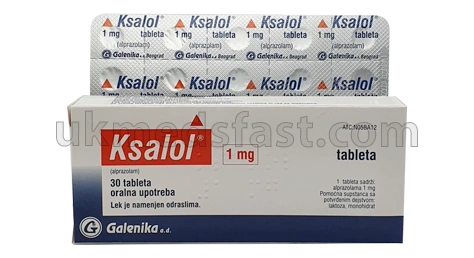
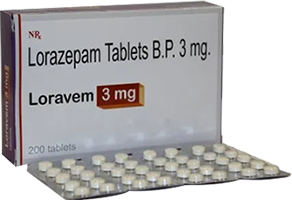

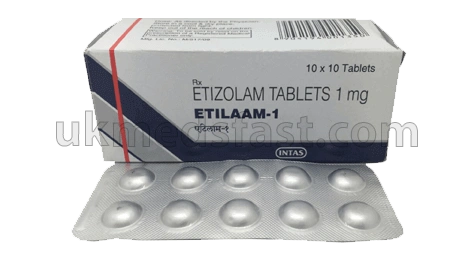
As medical technologies evolved, many other solutions also emerged. In the 1960s, benzodiazepines were invented and introduced to the market.
Benzodiazepines are still used in some circumstances, but not as much as they used to be because they can lead to dependence and there are safer long-term treatments available. There are many medications that you may get from online pharmacies, but not all of them follow the right rules. It is important for patients to exercise caution when purchasing medicines online.
Some registered online pharmacies operate under regulatory standards and provide approved medications; however, patients should verify licensing before use. This means that the medication has gone through rigorous trials before being approved by regulatory agencies. They offer benzodiazepines including diazepam, alprazolam, lorazepam and clonazepam.
As well as these essential medicines they also stock the drug etizolam, belonging to the thienodiazepine class of anxiety medication. Some platforms may reference medications such as etizolam; however, it is not approved for medical use in several countries and may be subject to legal restrictions.
Do anxious thoughts prevent you from fulfilling social engagements? Do panic attacks stop you dead in your tracks? Perhaps racing thoughts deprive you of much-needed sleep.
Patients should always talk to a doctor before starting treatment, and online pharmacy services should not take the place of a real medical professional visit. You should only take anxiety medications if a qualified healthcare professional is watching you and you have a valid prescription. People who already know what anxiety medication they need must have a valid prescription to get it legally and safely. When choosing a pharmacy, patients should put safety, following the rules, and getting professional medical advice first.
First-line treatments for anxiety disorders typically include psychotherapy (such as Cognitive Behavioral Therapy, or CBT) and medications (such as Selective Serotonin Reuptake Inhibitors, or SSRIs). Benzodiazepines are generally used only under medical supervision and for short periods.
Anxiety medication is primarily designed to address disquiet-related conditions. They are characterized by excessive and persistent worry or fear and include generalized anxiety disorder (GAD), social anxiety, obsessive compulsive disorder (OCD), post-traumatic stress disorder (PTSD), phobias and panic attacks.
These disorders can be caused by various factors, including genetics, traumas, stress, chronic illnesses, hormonal changes and personal traits. Unease can considerably affect the quality of life of the sufferers. It may result in difficult relationships, social isolation, impaired work and academic performance as well as declining physical health.
Approximately 10% of UK citizens, which is over 8 million people, face this affliction. This is according to the study conducted by Mental Health UK. The Council of the European Union states that disquiet affects around 25 million people (5.4% of the EU populace). These alarming statistics on the prevalence of anxiety-related health problems and their impact on daily life highlight the importance of appropriate diagnosis and treatment.
Anxiety medications are used to help manage symptoms of anxiety disorders and improve quality of life when prescribed appropriately. Apart from addressing disquiet, owing to their calming effects, these drugs can effectively treat insomnia by promoting sleep, namely if it results from anxiousness. They also soothe excessive brain activity and can be prescribed to reduce the frequency and severity of epileptic seizures.
These medications can function as muscle relaxants, thereby reducing spasms and cramps by inducing physical relaxation in the body. By addressing multiple issues simultaneously, anti-anxiety medications can bring about significant improvements in sleep, mental health, and physical well-being, thereby enhancing the overall quality of life.
When it comes to treating these conditions with anxiety medication, it is important to ensure the safety and efficacy of the treatment by sticking with the instructions. Those can be found printed on the label and enclosed in the pill box or provided by a doctor. The instructions usually include dosage guidelines, frequency and timing of ingestion and how to take the drug.
The doses can vary depending on the specific anxiety medication, age, and treated condition, however, it is recommended to start the regimen with the lowest effective dose. Each treatment will come with its own specific dosage instructions and it's important to follow these instructions closely.
A general practitioner or a consulting physician can adjust the dosage of anxiety medication depending on the personal response. It is essential to stay in touch with a healthcare professional throughout the treatment process. The specialist can titrate the dose to minimize the side effects and prolong or terminate the treatment plan when needed.
Prolonged treatment with anxiety medication may be associated with the development of tolerance and dependence. Abrupt discontinuation may result in withdrawal syndrome and is not recommended. To stop treatment, it is advised to lower the dosage gradually until it is no longer required.
Being aware of the onset of action of anxiety medication is important since it allows a person to know when exactly this drug will show its effects. This parameter differs for each product and is recommended to be considered during the treatment process. It may depend on several factors such as individual metabolism and whether the pill was taken with food or not.
Benzodiazepines start working fairly quickly, approximately within an hour. Diazepam, lorazepam, alprazolam and other benzodiazepines have a relatively fast onset of action. They kick in within 30-60 minutes after ingestion, with diazepam being the fastest one. Clonazepam has a slower onset. Patients can feel its effect in 1-4 hours after the intake.
Anxiety medication can start acting slower if taken with food, namely, with fatty meals, although it does not affect the effectiveness of the product. Taking it on an empty stomach can result in faster absorption and faster onset of action.
The duration of action also varies. Diazepam shows the longest effect that lasts for up to 24 hours. Alprazolam, lorazepam and clonazepam promote calmness and sedation for up to 12 hours. Some substances that are not approved in certain regions may have varying durations of action; however, only medications approved by relevant health authorities should be used.
The choice of which anxiety medication is better depending on personal needs and preferences and should be determined by a healthcare practitioner.
Before a person uses anxiety medication, it is recommended to make sure that this treatment is suitable for you by consulting with a general practitioner. The specialist will examine your pre-existing health conditions and assess the concurrent medications to determine a proper regimen with minimum risks. In combination with certain substances, these drugs can result in potentially dangerous complications.
Mixing anxiolytics with alcohol can increase the likelihood of side effects and should be avoided. It may result in excessive sedation, drowsiness, and confusion. Opioids, antihistamines and other CNS depressants may increase the risk of adverse effects and should be avoided (with anxiety medication) unless advised by a healthcare professional.
Apart from interactions, these products have other precautions to be aware of. People with allergy/hypersensitivity to the drug, severe respiratory insufficiency and acute narrow-angle glaucoma should not take these solutions. Breastfeeding/pregnancy and severe liver disease also comprise the list of contraindications for anxiety medication.
These are not comprehensive lists of interactions and contraindications. Each anxiety medication has its list of precautions which should be considered for the safety and efficacy of the treatment.
After taking an anxiety medication, it can be detected in the blood, urine or hair for some time even if its effect is no longer present. How long the drug is detectable depends on the specific medicine, taken dosage and individual metabolism. Anxiety medication gets processed by the liver, so it may also depend on hepatic conditions.
The half-life of a medicine is the period during which half of the substance gets metabolized and eliminated from the system. Diazepam and clonazepam are the drugs that have the longest half-life among benzodiazepines. It is about 20-50 hours and they are present in the body for 5-10 days.
This parameter for alprazolam and other benzodiazepines is shorter. This is typically around 6-12 hours, which means they are typically cleared (in 1-2 days). The half-life of Lorazepam is 10-20 hours. It takes 2-4 days to be eliminated from the body.
It is vital to know the half-life of anxiety medication to determine the dosing schedule - how often it should be taken to maintain effective levels in the blood. It also informs about the risk of toxicity when the substance accumulates in the body and helps in assessing possible interactions with other drugs.
Anti-anxiety medications, like any other medication, may be associated with certain side effects, although not everyone experiences them. These are typically mild and manageable; nevertheless, it is advisable to be aware of the possibility of their occurrence in advance.
Common adverse reactions to anxiety medication include drowsiness, dizziness/vertigo, fatigue, and confusion. They occur owing to the sedative properties of the drugs. It is recommended to avoid activities that require high levels of attention and coordination. Slowly changing position from lying to sitting or standing is also advised to prevent dizziness.
Nausea can occur, especially if anxiety medication is taken on an empty stomach; taking the medicine with a snack or a light meal can prevent any stomach upset. Staying adequately hydrated can help mitigate dry mouth associated with this type of drug. In some extremely rare cases, blurred vision, memory impairment, changes in mood and behaviour and allergic reactions may occur.
This is not a complete list of side effects; they may differ for different products. If they persist or get bothersome, it is advisable to contact a healthcare practitioner. The doctor will adjust the dosage to minimize side effects or give advice on how to manage them.
With the growth of internet influence, obtaining products online is becoming more popular each day. This is reflected in how a person gets treatment. Instead of going to a physical chemist, more people are choosing to get their medicines from online pharmacies.
Online pharmacies may sell a variety of drugs and provide a variety of services. Patients should carefully research their options and be sure that any pharmacy they use is licensed, controlled, and requires a valid prescription.
Patients should focus on safety, regulatory compliance, and professional guidance when choosing a pharmacy, rather than cost alone. Patients should prioritise safety, regulatory compliance, and professional medical guidance when evaluating pharmacy options.
Home delivery service makes online shopping more convenient, namely for those who suffer from limited mobility or who do not have a pharmacy in the immediate vicinity. Anxiety medication is easily obtained in the UK from the comfort of your home and delivered to your doorstep within a short period.
Digital dispensaries operate around the clock, eliminating the inconvenience of traditional working hours. Thus, people can get help at a time which is suitable for them. But how to find a reputable internet drugstore to get anxiety medication from?
Pay attention to the review section. Comments should be genuine and written by real customers. The provided payment options must be secure, like Visa or MasterCard. Good websites prioritize the confidentiality of their clients and use methods to protect their personal and financial information.
Contact details have to be accessible and valid; try to contact the client support staff - the connection should be established without problems. Sticking to these simple tips, customers can ensure that they are getting anxiety medication from a trusted digital dispensary.
In recent years, online access to healthcare services has increased, including the availability of digital pharmacy platforms. Such services can make things easier for patients, but it's important to make sure that medications are obtained safely and legally. Medications prescribed by a medical professional for anxiety should be obtained only from licensed and regulated pharmacies that operate in compliance with local laws and healthcare guidelines. These pharmacies need a valid prescription from a qualified medical professional to ensure that the treatment is right for the patient's condition.
Patients are suggested to confirm that the pharmacy or online website is properly authenticated with regulatory authorities and that it adheres to standard safety protocols, including secure payment processes and the protection of personal information. A trustworthy service also has easy access to professional help, like being able to talk to medical professionals.
Getting medicine without the right medical guidance can be very harmful for your health. This is because it can lead to the wrong dose, drug interactions, and even addiction. Because of this, it is still very important to talk to a medical professional before starting or continuing any anxiety treatment.

Medically Reviewed By
Speciality: Medical Content Reviewer
Last Reviewed: April, 2026
Your email address will not be published. Required fields are marked *